
Navigating the Lifecycle of Commercial Skylights
In the commercial roofing industry, skylights are often viewed through a binary lens: they either leak or they don’t. However, for building owners and roofing contractors, treating a skylight as a simple hole in the roof overlooks their complexity as structural and thermal components.
Managing these assets effectively requires a shift from reactive patching to a lifecycle-based approach involving rigorous evaluation, strategic retrofitting, and uncompromising safety standards.
The Foundation of Evaluation
The most critical step in managing commercial daylighting is the initial consultation and inspection. A reported leak is rarely just a failure of a sealant; it is a symptom of a larger issue. When evaluating a system, professionals must look beyond the water spot.
Is the failure at the curb-to-membrane interface, or is it a structural failure of the glazing? In many aging facilities, plastic domes have reached a state of “embrittlement,” where the material loses its flexibility and becomes prone to micro-fractures. In these cases, applying more caulk is a temporary fix that masks a growing safety hazard. A proper evaluation determines whether the existing framing is structurally sound enough to support a “reglaze” or if a full-system replacement is the only responsible path forward.
The Repair vs. Replace Matrix
Deciding between a repair and a full replacement is an economic and performance-based calculation:
Repair: This is most effective for relatively young systems with isolated flashing issues or minor hardware failures.
Retrofit: For systems with sound structural frames but failing glazing, a retrofit is often the most cost-effective solution. By replacing older, inefficient materials with high-performance glass or advanced polycarbonates, building owners can achieve a 15- to 20-year life extension without the massive cost and disruption of a full tear-off.
The most critical step in managing commercial daylighting is the initial consultation and inspection.
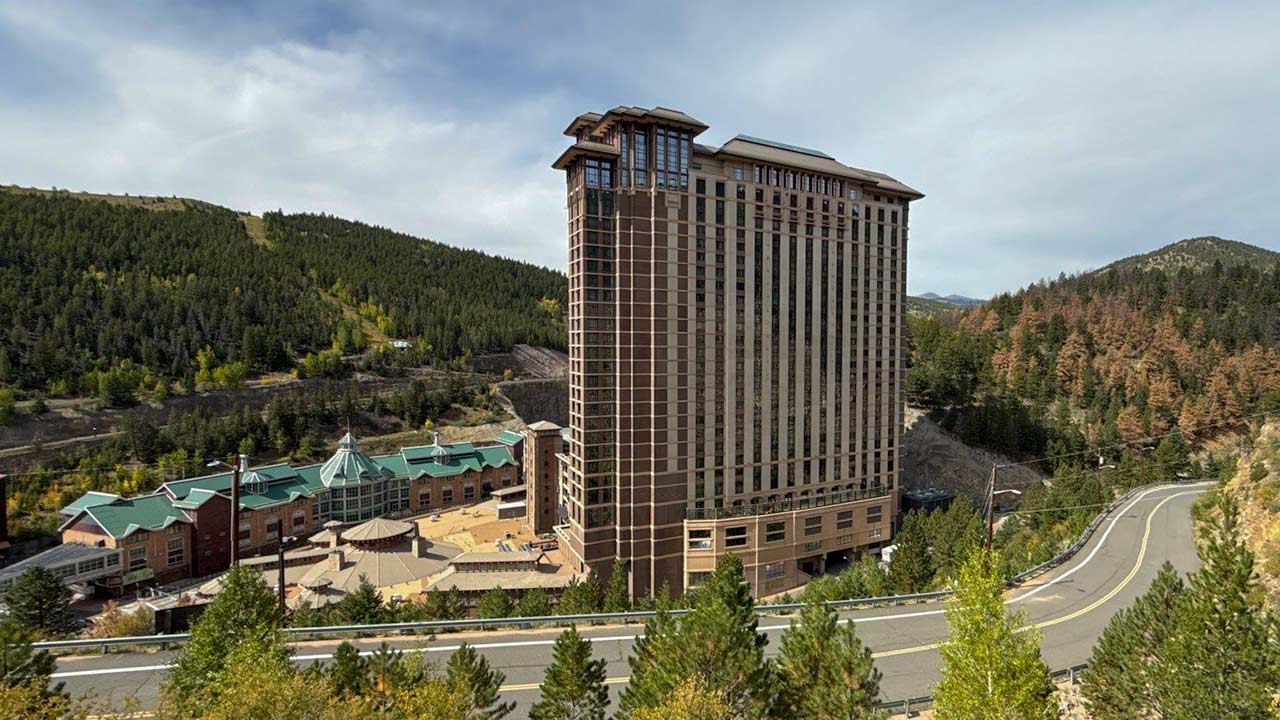
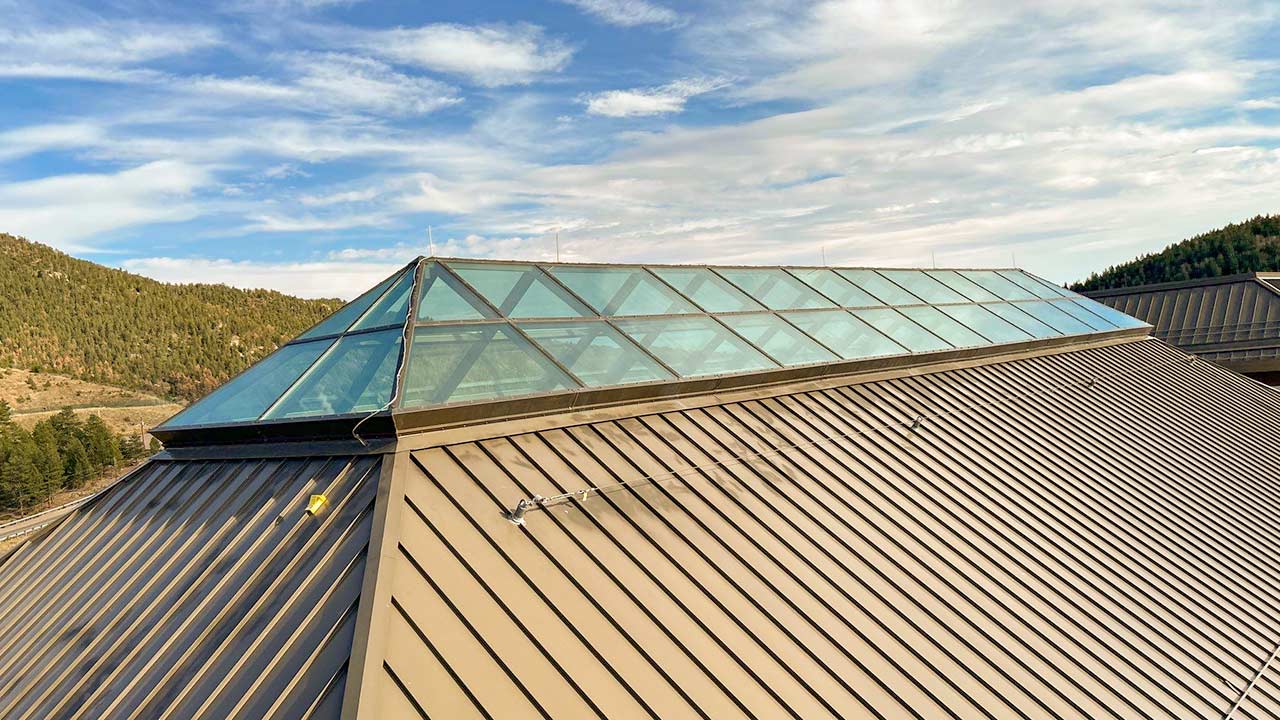
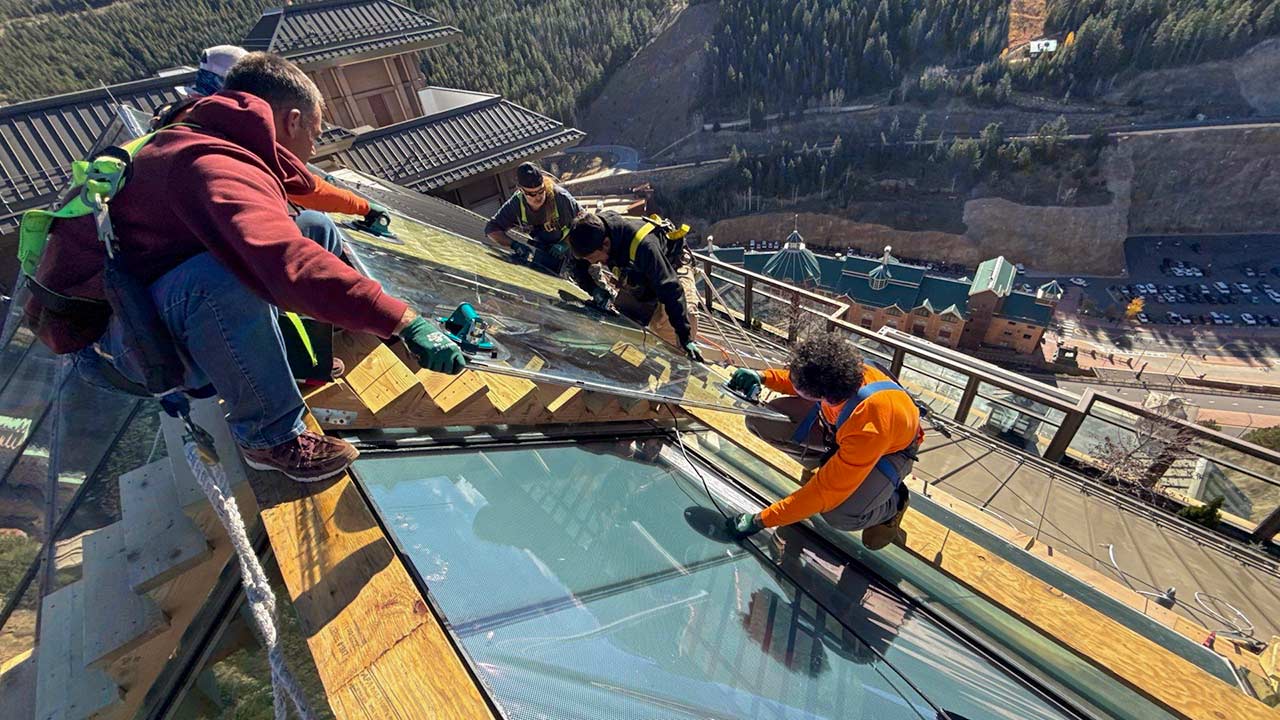
For example, on a recent 34-story high-rise hospitality project in Colorado, replacing just the 470-pound insulated glass units—rather than the entire skylight structure—saved the client significant capital.
Because a crane could not reach the roof, a full replacement would have been logistically prohibitive; a strategic retrofit allowed the heavy glass to be maneuvered internally and hoisted via ladder lifts, drastically cutting equipment costs and minimizing interior downtime.
Replacement: Full replacement becomes necessary when the framing lacks a thermal break, leading to internal condensation, or when the entire unit has reached its structural end-of-life.
Performance and Thermal Integrity
The evolution of daylighting technology has turned the skylight into a tool for energy management. Modern commercial systems utilize thermally broken frames—a design where a non-conductive material separates the interior and exterior metal components. This prevents the “bridge” of cold air that leads to condensation and heat loss.
When upgrading glazing, the focus should be on the Solar Heat Gain Coefficient (SHGC) and U-values. High-performance glass units can now reflect significant infrared heat while allowing visible light to pass through, reducing the load on HVAC systems during peak summer months.
The Safety Mandate: Engineering for Fall Protection
No discussion of commercial skylights is complete without addressing safety and OSHA compliance. Traditionally, a skylight—regardless of its material—has been treated as a “hole” in the roof that requires external protection. However, the industry is seeing a shift toward “inherent” safety through advanced material engineering.
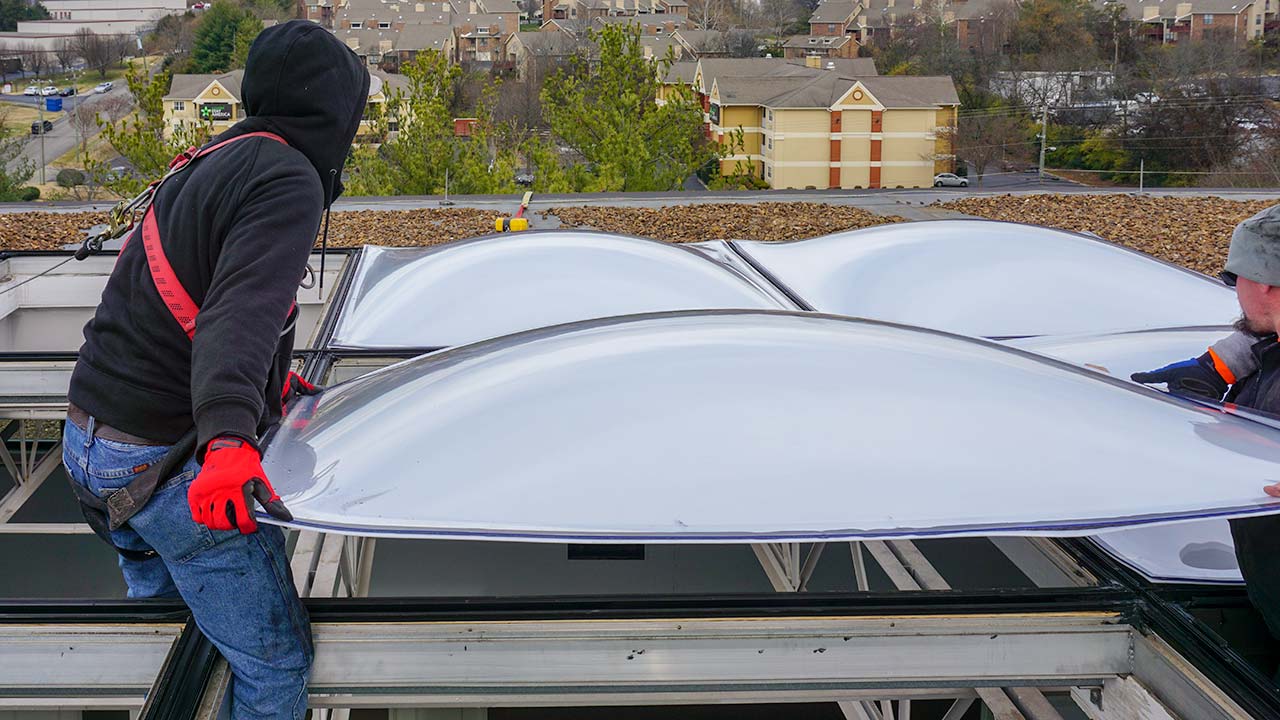
While the historical standard was to install high-strength metal screens over glazing or permanent guardrails, new technology in high-impact polycarbonate offers an integrated solution. These modern, “dynamic” dome designs are engineered with a specific geometry and material thickness to meet rigorous fall-protection standards independently.
By utilizing a high-performance polycarbonate dome that is architecturally reinforced, building owners can achieve safety compliance without the aesthetic or maintenance hurdles of external cages. Transitioning from brittle, aged acrylic to these impact-resistant systems ensures that every unit on the roof meets current load-bearing requirements, protecting both the workers on the roof and the assets beneath it.
Glass Replacement | Ameristar Casino Resort Spa – Black Hawk, CO
Conclusion
A proactive approach to commercial skylight management—prioritizing detailed inspections, considering retrofits over full replacements to save capital, and enforcing strict safety protocols—transforms these units from a maintenance liability into a high-performing asset. By understanding the structural and thermal nuances of these systems, roofing professionals can provide building owners with solutions that protect both the building’s interior and its bottom line.
For help with this please call 303-761-2200 or email M.waller@skyspec.com
By Matt Waller
Matt Waller is a national expert in commercial daylighting and serves AGC as a business development committee member and on the specialty contractor council. He is a recognized leader in the skylight repair and installation industry, focusing on large-scale commercial and hospitality projects from coast to coast.